

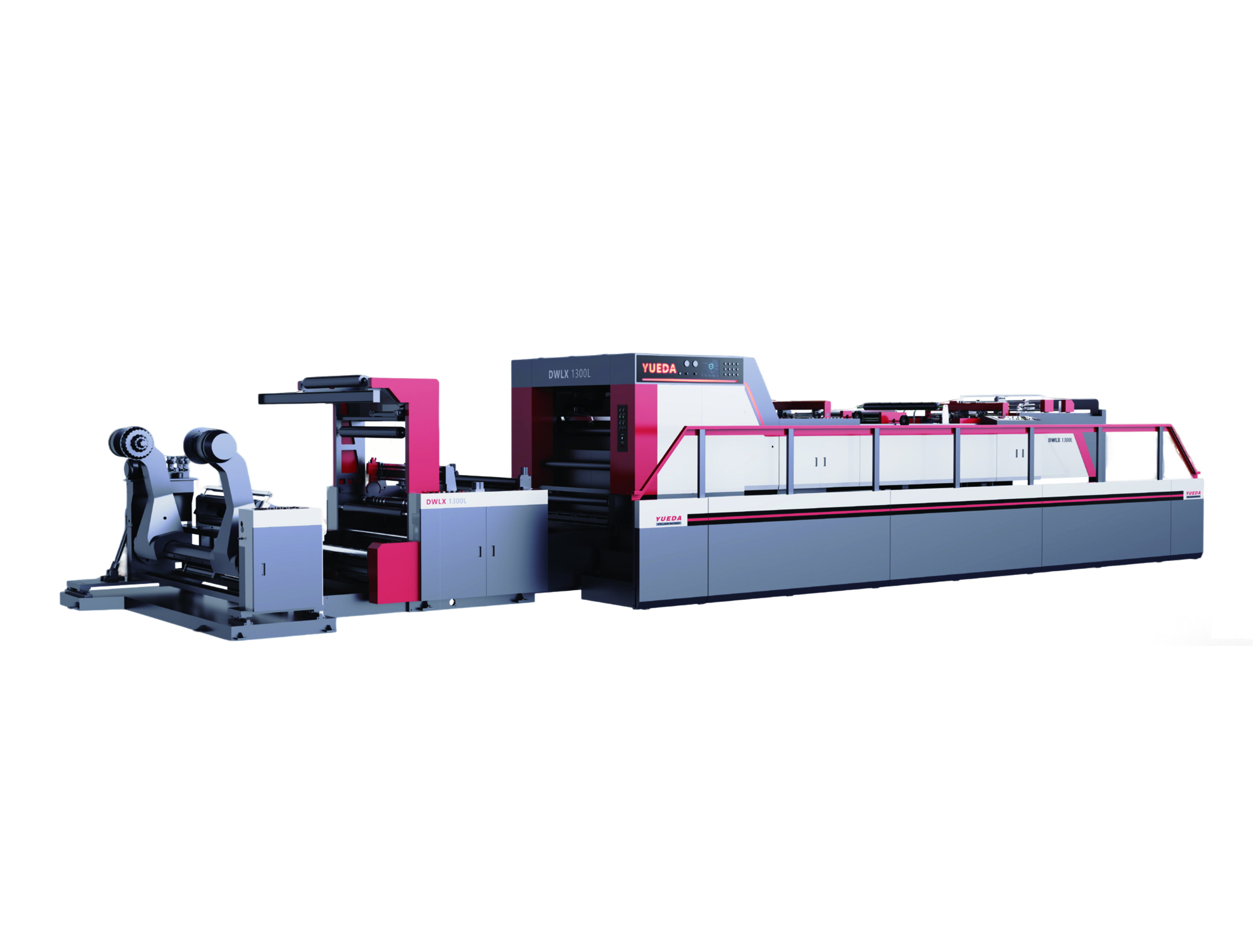
A Water Glue Laminating Machine is widely used in packaging, printing, paper converting, label production, and related finishing industries. It applies water-based adhesive to bond two or more materials together, helping manufacturers improve product strength, appearance, and functional performance. For operators, a clear operator checklist is essential to ensure safe operation, stable output, consistent bonding quality, and reduced downtime.
This article provides an SEO-friendly, industry-focused, and original guide to the operator checklist for a water glue laminating machine. It is written in clear English and structured for direct use in blogs, category pages, industrial guides, and HTML content blocks. It includes definitions, machine advantages, standard specifications, operating steps, inspection points, troubleshooting tips, maintenance items, and safety practices. No specific brand or company recommendations are included.
A water glue laminating machine is a converting machine that uses water-based adhesive to laminate paper, board, film, fabric, or composite materials. The machine typically applies glue evenly onto one surface, aligns the substrate layers, and presses them together under controlled pressure and temperature. The result is a laminated product with improved durability, surface quality, and structural integrity.
Compared with solvent-based systems, water glue laminating equipment is generally favored for lower odor, easier handling, and environmentally friendlier production. It is commonly used in industries where clean bonding, stable coating, and efficient throughput are important.
An operator checklist is more than a routine reminder. It is a practical quality control tool that helps prevent production problems before they happen. For a water glue laminating machine, the checklist improves consistency across shifts, reduces material waste, extends machine life, and supports workplace safety.
Without a proper checklist, operators may overlook critical details such as glue viscosity, roller cleanliness, alignment, pressure settings, or drying conditions. These small issues can lead to defects such as poor adhesion, bubbles, wrinkles, delamination, glue overflow, uneven coating, and wasted raw materials.
| Benefit | Description | Production Impact |
|---|---|---|
| Uniform Adhesive Application | Water glue is distributed evenly across the substrate surface. | Improves bonding consistency and reduces defect rates. |
| Cleaner Operation | Water-based adhesive generally creates less odor and fewer hazardous emissions. | Supports a better working environment and easier cleanup. |
| Strong Bonding Performance | Properly applied water glue can create durable and reliable laminated products. | Enhances product strength and finished appearance. |
| Cost Efficiency | Water-based glue is often economical and easy to manage in high-volume production. | Reduces operating costs and material waste. |
| Wide Material Compatibility | Can be used with paper, board, cardboard, film, fabric, and other surfaces. | Supports multiple applications in one machine line. |
Water glue laminating machines are used across a broad range of industries. Common applications include:
Because of their flexibility, water glue laminating systems are valuable in both small workshops and large-scale manufacturing plants. They are often selected when a production line requires a balance of quality, speed, and manageable operating cost.
The following checklist can be used as a practical daily, shift-based, or pre-start inspection guide. It is designed to support safe operation, consistent lamination quality, and smooth production.
| Checklist Item | What to Check | Why It Matters |
|---|---|---|
| Power Supply | Confirm voltage, wiring, and switch condition. | Prevents electrical failure and unsafe startup. |
| Emergency Stop | Test emergency stop function before production. | Ensures fast shutdown in an unsafe situation. |
| Machine Cleanliness | Check for dust, dried glue, debris, or foreign materials. | Helps maintain coating quality and machine reliability. |
| Roller Condition | Inspect glue rollers, pressure rollers, and guide rollers. | Damaged rollers can cause coating defects and poor bonding. |
| Glue Tank Level | Verify that the water glue tank has enough adhesive for the shift. | Prevents interruptions during lamination. |
| Glue Viscosity | Check whether the adhesive thickness matches process requirements. | Affects coating uniformity and drying performance. |
| Heating System | Confirm the temperature settings if the machine includes drying or heating units. | Supports proper adhesive activation and curing. |
| Material Alignment | Inspect feeding guides and material position settings. | Prevents skewing, wrinkling, and misregistration. |
| Safety Guards | Make sure protective covers and guards are installed. | Protects the operator from moving parts. |
| Lubrication Status | Check whether moving parts are sufficiently lubricated. | Reduces wear and extends equipment life. |
Once production begins, operators must monitor the machine continuously. Key points include:
| Time | Task | Status | Notes |
|---|---|---|---|
| Before Start | Inspect power, rollers, glue level, and safety guards | Pass / Fail | Record any issues before startup |
| Startup | Test emergency stop and run trial sample | Pass / Fail | Confirm stable coating and alignment |
| Mid-Shift | Check adhesive consistency, speed, and bonding quality | Pass / Fail | Adjust pressure or flow if needed |
| End of Shift | Clean rollers, remove residue, and shut down safely | Pass / Fail | Log defects and maintenance needs |
Every water glue laminating machine has its own technical settings, but several operating parameters are common across the industry. Monitoring these variables helps maintain stable production and high-quality results.
| Parameter | Typical Function | Effect on Laminating Quality |
|---|---|---|
| Machine Speed | Controls production output and contact time. | Too fast may reduce bonding; too slow may lower efficiency. |
| Glue Viscosity | Determines how the adhesive flows and spreads. | Wrong viscosity may cause streaking or weak adhesion. |
| Coating Thickness | Defines the amount of adhesive applied. | Too much glue can cause overflow; too little can cause delamination. |
| Pressure | Presses the materials together after coating. | Inadequate pressure may leave air pockets or poor bonding. |
| Temperature | Supports adhesive performance in heated systems. | Incorrect temperature may affect drying and bond strength. |
| Material Tension | Keeps web or sheet materials stable during feeding. | Improper tension can lead to wrinkles and misalignment. |
Even a well-designed water glue laminating machine can produce defective output if operators do not follow correct procedures. The checklist should help identify and prevent the most common issues.
Uneven coating may happen if the rollers are dirty, the glue viscosity is unstable, or the machine gap is not set correctly. Operators should clean the system regularly, verify adhesive consistency, and check roller alignment before running the machine.
Weak adhesion is often caused by insufficient glue, poor pressure, low drying efficiency, or contaminated material surfaces. Operators should make sure substrates are clean, adhesive is properly mixed, and pressure settings are within the recommended range.
Bubbles can appear when material feed is unstable, pressure is insufficient, or the adhesive is applied too quickly. Slowing the line slightly and adjusting nip pressure can help reduce trapped air.
Wrinkles and skewing are usually related to incorrect feeding, uneven tension, or misaligned guides. Operators should inspect feed rollers, guide positions, and substrate placement before each production run.
Glue overflow wastes adhesive and can contaminate the machine. This usually means too much glue is being applied or the viscosity is too low. The operator should reduce glue flow or adjust adhesive concentration as needed.
Safety is a major part of any machine operating checklist. Although water-based glue is generally safer than many solvent-based alternatives, a laminating machine still contains moving parts, electrical systems, heated components, and mechanical pinch points.
| PPE Item | Purpose | Operator Benefit |
|---|---|---|
| Protective Gloves | Protects hands from glue contact and minor abrasions. | Improves handling safety during cleaning and setup. |
| Safety Glasses | Protects eyes from splashes or flying debris. | Reduces risk of eye injury during operation. |
| Work Clothing | Minimizes exposure to moving parts and residue. | Supports a cleaner, safer workspace. |
| Non-Slip Shoes | Provides traction on potentially wet floors. | Reduces slipping hazards around the machine. |
| Mask or Respiratory Protection | Used when process conditions or workplace policies require it. | Improves comfort in enclosed production areas. |
Regular maintenance is closely tied to operator performance. A well-maintained water glue laminating machine delivers more stable output, better coating accuracy, and longer service life.
The following table shows a general specification reference for a typical water glue laminating machine. Actual values vary by machine design, production scale, and application requirements.
| Specification | Typical Range | Remarks |
|---|---|---|
| Machine Type | Manual, semi-automatic, or automatic | Depends on production volume and labor setup |
| Applicable Materials | Paper, board, film, fabric, composite layers | Material compatibility should be tested before mass production |
| Lamination Width | Varies by model and application | Should match product size requirements |
| Production Speed | Low to high, depending on configuration | Must be balanced with coating quality |
| Glue Type | Water-based adhesive | May include different formulas depending on substrate |
| Pressure Control | Adjustable | Important for bonding strength and surface finish |
| Heating / Drying | Optional or integrated | Improves setting time and output stability |
| Control System | Basic control panel or digital interface | Helps manage speed, temperature, and operating status |
Productivity depends not only on machine capacity but also on operator discipline. A detailed checklist helps teams maintain output without sacrificing quality. Operators can improve efficiency by preparing materials in advance, standardizing setup settings, reducing unnecessary stoppages, and recording process data for future runs.
Additional productivity tips include:
To operate a water glue laminating machine efficiently, workers should understand both the machine structure and the bonding process. Training should cover the following areas:
Well-trained operators are more likely to maintain consistent product quality and reduce machine downtime. For manufacturers, training is one of the most cost-effective ways to improve overall production performance.
For search visibility, content about a water glue laminating machine should naturally include relevant phrases such as operator checklist, laminating machine checklist, water-based adhesive laminating, lamination process, machine operating guide, daily inspection checklist, quality control for laminating machines, and industrial lamination equipment. These keywords should appear naturally in titles, headings, body text, and table content without keyword stuffing.
Search engines tend to favor pages that provide useful structure, clear definitions, practical tables, and topic depth. That is why an operator checklist article can perform well as both a technical blog post and an evergreen industry resource.
Before using a water glue laminating machine, the operator should confirm the following essential points:
A complete operator checklist for a water glue laminating machine supports safe operation, stable performance, and high-quality output. Whether used in packaging, printing, converting, or specialty manufacturing, this checklist provides a practical framework for daily production control. By following structured inspection steps, monitoring key parameters, and maintaining consistent cleaning and maintenance routines, operators can improve bond quality, reduce waste, and extend the service life of the machine.
If you are building an industry page, product guide, or technical article for search engine optimization, this type of structured content offers strong value. It addresses common operational concerns, includes keyword-rich headings, and gives readers actionable information that can be directly applied in real production environments.
Contact: Peter Chen/Jack Chen
Mail : peterchen@yuedamachine.com
Cellphone: +86 18767458866/ +86 19857780001
Address: Building 2, No. 1333 Times Avenue, Longgang City,Wenzhou City, Zhejiang Province China
Copyright © 2026 Wenzhou Yueda Packaging Machinery Co., Ltd. All Rights Reserved.
SitemapThis website uses cookies to ensure you get the best experience on our website.
 Español
 Portugues
 Indonesia
 Tiếng Việt



 Phone
 E-mail
Comment
(0)