

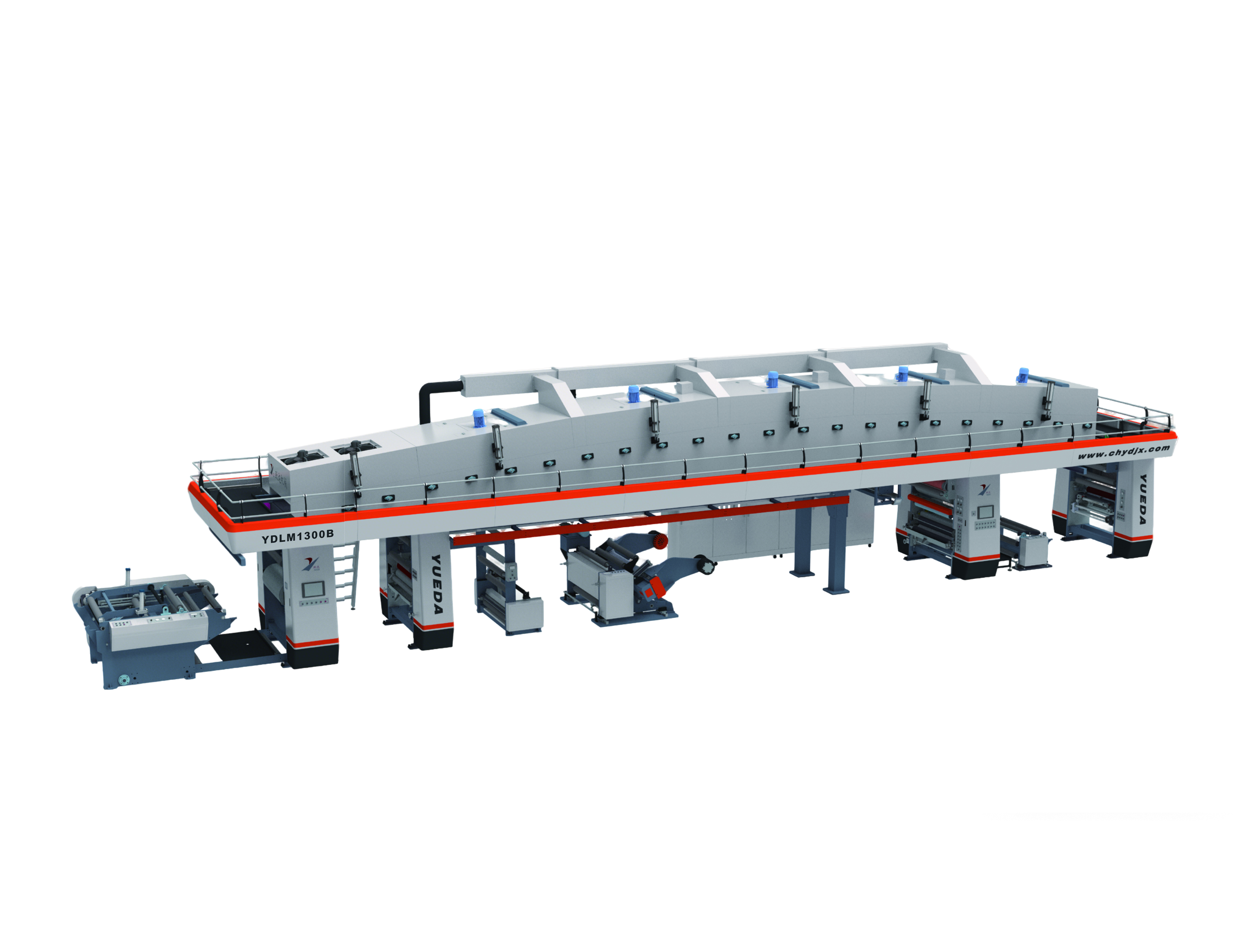
Material considerations for using a water glue laminating machine are essential for achieving stable bonding strength, smooth lamination quality, and efficient production performance. In industries where paper, cardboard, film, foil, fabric, or composite substrates are laminated, the compatibility between the base material and the water-based adhesive directly affects appearance, durability, drying time, and cost efficiency. Understanding these material factors helps manufacturers reduce defects such as wrinkling, bubbling, curling, delamination, uneven coating, and poor surface flatness.
This guide provides a comprehensive, SEO-friendly overview of the key material considerations for water glue laminating machine applications. It covers definitions, material compatibility, substrate properties, adhesive absorption, thickness selection, moisture resistance, surface energy, tension stability, and specification references. The content is written for use in blog articles, category pages, product knowledge pages, and industry information pages. It contains only general industry information, with no specific company recommendations.
A water glue laminating machine is a type of laminating equipment that uses a water-based adhesive to bond two or more layers of material. The machine typically applies glue evenly onto the substrate, aligns the layers, and presses them together under controlled pressure and heat conditions. Depending on the application, water glue laminating machines are used in packaging, printing, bookbinding, paper converting, decorative materials, label production, and composite sheet manufacturing.
The biggest advantage of a water-based glue laminating process is that it is generally more environmentally friendly than solvent-based alternatives. Water glue systems usually produce lower volatile emissions, offer easier cleanup, and are suitable for many paper-based or absorbent materials. However, successful lamination depends heavily on the characteristics of the selected materials.
Material selection is one of the most important factors in water glue laminating machine performance. Even when machine settings are optimized, incompatible substrates or poorly matched materials can cause bonding failure or inconsistent lamination results. Every material has a specific surface texture, porosity, moisture level, stiffness, and thermal response. These properties influence how the glue spreads, penetrates, cures, and holds over time.
In practical production, material considerations affect:
For these reasons, manufacturers must evaluate substrate type, thickness, porosity, moisture content, and heat sensitivity before running a water glue laminating process.
Water glue laminating machines can process a wide range of materials. The most common include paper-based products, cardboard, gray board, printed sheets, decorative papers, thin films, fabrics, and some composite substrates. The suitability of each material depends on its surface behavior and compatibility with water-based adhesive.
| Material Type | Typical Use | Compatibility with Water Glue | Key Considerations |
|---|---|---|---|
| Paper | Books, cartons, printed products | High | Absorption rate, curl control, moisture balance |
| Cardboard | Packaging, rigid boxes, covers | High | Thickness, flatness, glue penetration |
| Gray board | Luxury packaging, rigid boxes | High | Surface roughness, dimensional stability |
| Printed sheets | Commercial printing, book covers | High | Ink resistance, surface tension, drying |
| Decorative paper | Furniture board, panel lamination | Medium to high | Color stability, moisture resistance |
| Plastic film | Special packaging, composite lamination | Medium | Low surface energy, adhesive adhesion |
| Foil | Decorative and barrier layers | Medium | Heat sensitivity, surface treatment requirement |
| Fabric | Decorative composites, specialty products | Medium | Absorption, stretch, dimensional change |
| Composite sheet | Industrial and decorative panels | Varies | Layer compatibility, stress balance |
Surface porosity refers to the ability of a material to absorb liquid adhesive. Highly porous materials like uncoated paper and cardboard absorb water glue quickly, which can improve initial tack but may also increase glue consumption. Low-porosity materials such as coated paper, film, or foil require better surface preparation and may need a modified adhesive formula to achieve strong bonding.
When porosity is too high, the glue may penetrate excessively into the substrate, reducing surface bond strength. When porosity is too low, the adhesive may remain on the surface without forming a stable bond. For consistent results, the operator should match glue viscosity and coating quantity to the substrate’s absorption rate.
Moisture content is one of the most important material considerations for using a water glue laminating machine. Because water-based adhesives add moisture to the substrate, the initial moisture level of the material strongly affects drying behavior and dimensional stability. Materials with too much moisture may warp, bubble, or slow down the curing process. Materials with too little moisture may become brittle or fail to bond evenly if the adhesive is absorbed too quickly.
In general, substrates should be conditioned to a stable environment before lamination. Balanced humidity helps reduce curling, edge lifting, and size variation during production.
Surface energy determines how well a liquid adhesive wets and spreads across a material. High-surface-energy materials usually allow better adhesive wetting, which supports stronger bonding. Low-surface-energy materials, such as some plastics and treated films, are more difficult to bond with water glue unless the surface has been corona treated, coated, or otherwise modified.
If surface energy is too low, the glue may bead up or fail to create full contact. In these cases, pre-treatment or alternative substrate selection may be necessary.
Material thickness affects feeding, pressing, drying, and final flatness. Thin materials may be more vulnerable to stretching, wrinkling, or deformation during lamination. Thick or rigid materials may require higher pressure and more precise alignment. Stiffness also influences how the material moves through the machine and how well it maintains position during bonding.
In practical production, the machine settings should be adjusted according to thickness. Too much pressure can crush delicate substrates, while too little pressure may cause weak lamination or trapped air.
Dimensional stability describes a material’s ability to maintain its shape and size during changes in temperature and humidity. Water glue laminating machines expose materials to moisture during production, so dimensional stability is critical. Materials that expand or contract easily can cause alignment errors, registration shifts, waves, or edge misfit.
Stable substrates perform better in high-speed laminating environments because they resist deformation. This is especially important for printed materials, decorative surfaces, and multi-layer bonded products.
Although water glue systems are not always highly heat-intensive, certain laminating processes may use heat-assisted drying or pressing. Materials that are sensitive to heat can distort, shrink, or discolor under elevated temperatures. Therefore, heat resistance is an important factor when selecting substrates for lamination.
Paper, cardboard, and many composite materials can tolerate moderate heat, but plastic films, coatings, and decorative layers may require lower-temperature processing.
Surface smoothness affects both glue application and final appearance. Smooth materials tend to produce more uniform adhesive layers and cleaner visual finishes. Rough materials may require more glue to fill surface valleys and ensure full contact. However, very rough surfaces can trap air and create uneven lamination if machine pressure or glue spread is insufficient.
In many applications, the ideal substrate has enough texture to support bonding but not so much irregularity that it compromises appearance or structural consistency.
Many laminating projects involve printed surfaces or coated sheets. The ink, coating, or varnish on the material can affect how water glue bonds. Some coatings create a barrier that blocks absorption, while certain inks may be sensitive to moisture or pressure. If the printed layer is not compatible with the adhesive, issues such as smearing, lifting, discoloration, or reduced adhesion may occur.
It is important to verify whether the top layer is printable, absorbent, and stable under water-based adhesive conditions.
The following table provides a practical reference for common substrate characteristics and the material factors that matter most during water glue laminating machine operation.
| Material Property | Importance in Lamination | Potential Problem if Poorly Controlled | Best Practice |
|---|---|---|---|
| Porosity | Controls glue absorption and bond formation | Glue soak-in, weak surface bond, excess consumption | Match adhesive viscosity to substrate absorption |
| Moisture content | Affects drying and dimensional stability | Warping, curling, slow curing | Condition materials before lamination |
| Surface energy | Determines wetting and adhesion | Beading, poor contact, delamination | Use pre-treatment for low-energy surfaces |
| Thickness | Influences pressure and feed accuracy | Crushing, poor bonding, registration errors | Adjust pressure and line speed to material thickness |
| Stiffness | Affects transport and alignment | Misfeed, skewing, unstable stacking | Use proper guide and tension control |
| Dimensional stability | Maintains shape during moisture exposure | Wrinkles, shifting, edge mismatch | Store materials in controlled humidity |
| Heat resistance | Important for heated drying or pressing | Shrinkage, distortion, surface damage | Keep temperature within material tolerance |
| Surface smoothness | Supports finish quality and uniform bonding | Air pockets, visible defects, uneven gloss | Use suitable pressure and coating amount |
Selecting the right material for a water glue laminating machine process delivers multiple operational and quality benefits. The right substrate combination improves adhesion strength, reduces waste, and increases production reliability. It also helps maintain a clean and professional appearance on finished products.
Even with a well-tuned water glue laminating machine, material problems can still occur. Identifying the root cause early helps prevent production losses and inconsistent output.
| Problem | Likely Material Cause | Result | General Solution |
|---|---|---|---|
| Bubbling | Excess moisture, poor air release, uneven porosity | Visible surface defects, weak contact | Improve pressure, reduce moisture, balance glue amount |
| Wrinkling | Material expansion, uneven tension, thin substrate | Distorted finish, registration issues | Control humidity, tension, and feed alignment |
| Delamination | Poor surface energy, incompatible coatings | Bond failure during use | Use compatible material layers or surface treatment |
| Curling | Unbalanced moisture absorption between layers | Edge lift, shape deformation | Balance layer structure and drying conditions |
| Glue seepage | High porosity or excessive coating | Messy appearance, contamination | Adjust adhesive quantity and viscosity |
| Poor alignment | Low stiffness or dimensional instability | Skewed layers, poor product quality | Increase material control and adjust guide settings |
Before using a water glue laminating machine, operators should verify key substrate specifications. These specifications help determine whether the material is suitable for a specific product, machine setup, or production target.
| Specification | Why It Matters | General Target Range |
|---|---|---|
| Basis weight | Affects strength, stiffness, and coating behavior | Depends on product type and application |
| Thickness | Determines pressure settings and feed stability | Matched to machine capability |
| Moisture content | Influences drying and dimensional behavior | Stable and balanced for local climate |
| Surface roughness | Impacts glue coverage and visual finish | Controlled according to bonding need |
| Surface energy | Indicates wetting and adhesion potential | High enough for water-based adhesion |
| Heat tolerance | Important for drying or hot pressing | Above process temperature |
| Flatness | Affects transport and final finish | Minimal warpage or deformation |
Material considerations for using a water glue laminating machine are not limited to substrate selection. The chosen material also determines the correct machine settings. For example, absorbent paper may require lower glue volume and faster drying control, while thick board may need stronger pressure and slower feed speed. Low-porosity or coated surfaces may need stronger surface preparation or modified adhesive behavior.
Machine settings often influenced by material characteristics include:
Matching these parameters to the substrate helps maximize bonding performance and minimize waste.
Proper material handling is a key part of successful lamination. Even a suitable substrate can perform poorly if it is stored incorrectly or handled in unstable environmental conditions. The following best practices help preserve material quality before processing.
Water glue laminating machines are widely used across multiple industries because of their adaptability to paper and board materials. In packaging, they are commonly used for folding cartons, rigid boxes, and laminated packaging boards. In printing and publishing, they support book covers, promotional materials, and specialty printed products. In decorative manufacturing, they are used for wall panels, furniture surfaces, and paper-based decorative layers. In commercial converting, they help produce composite sheets and bonded sheet materials.
Each application requires its own material balance. For example, high-end packaging may demand precise flatness and visual consistency, while industrial boards may prioritize strength, dimensional stability, and cost efficiency.
The following keyword phrases are naturally associated with this topic and can support search visibility when used appropriately in blog or industry content:
Yes, but coated paper may need careful testing because coatings can reduce absorbency and affect adhesion. Glue type, pressure, and drying conditions should be adjusted to match the surface.
In some cases, yes, but plastic film often has low surface energy, which makes bonding more difficult. Surface treatment or special adhesive selection may be needed for reliable results.
Curling usually occurs when the two layers absorb moisture unevenly or dry at different rates. Material balance, humidity control, and proper adhesive application can help reduce this problem.
There is no single factor for every application, but moisture content, surface porosity, and surface energy are among the most important. These properties strongly influence bond quality and stability.
Material considerations for using a water glue laminating machine play a decisive role in product quality, production efficiency, and long-term bonding reliability. The best lamination results come from matching substrate characteristics with adhesive behavior, machine settings, and environmental control. By evaluating porosity, moisture content, surface energy, thickness, stiffness, heat resistance, and dimensional stability, manufacturers can reduce defects and achieve more consistent outcomes.
Whether the application involves paper, cardboard, printed sheets, decorative layers, or composite substrates, careful material selection is the foundation of successful water glue lamination. For industrial users, publishers, packaging converters, and manufacturers, understanding these material considerations is one of the most effective ways to improve quality and optimize the performance of a water glue laminating machine.
```
Contact: Peter Chen/Jack Chen
Mail : peterchen@yuedamachine.com
Cellphone: +86 18767458866/ +86 19857780001
Address: Building 2, No. 1333 Times Avenue, Longgang City,Wenzhou City, Zhejiang Province China
Copyright © 2026 Wenzhou Yueda Packaging Machinery Co., Ltd. All Rights Reserved.
SitemapThis website uses cookies to ensure you get the best experience on our website.
 Español
 Portugues
 Indonesia
 Tiếng Việt



 Phone
 E-mail
Comment
(0)