

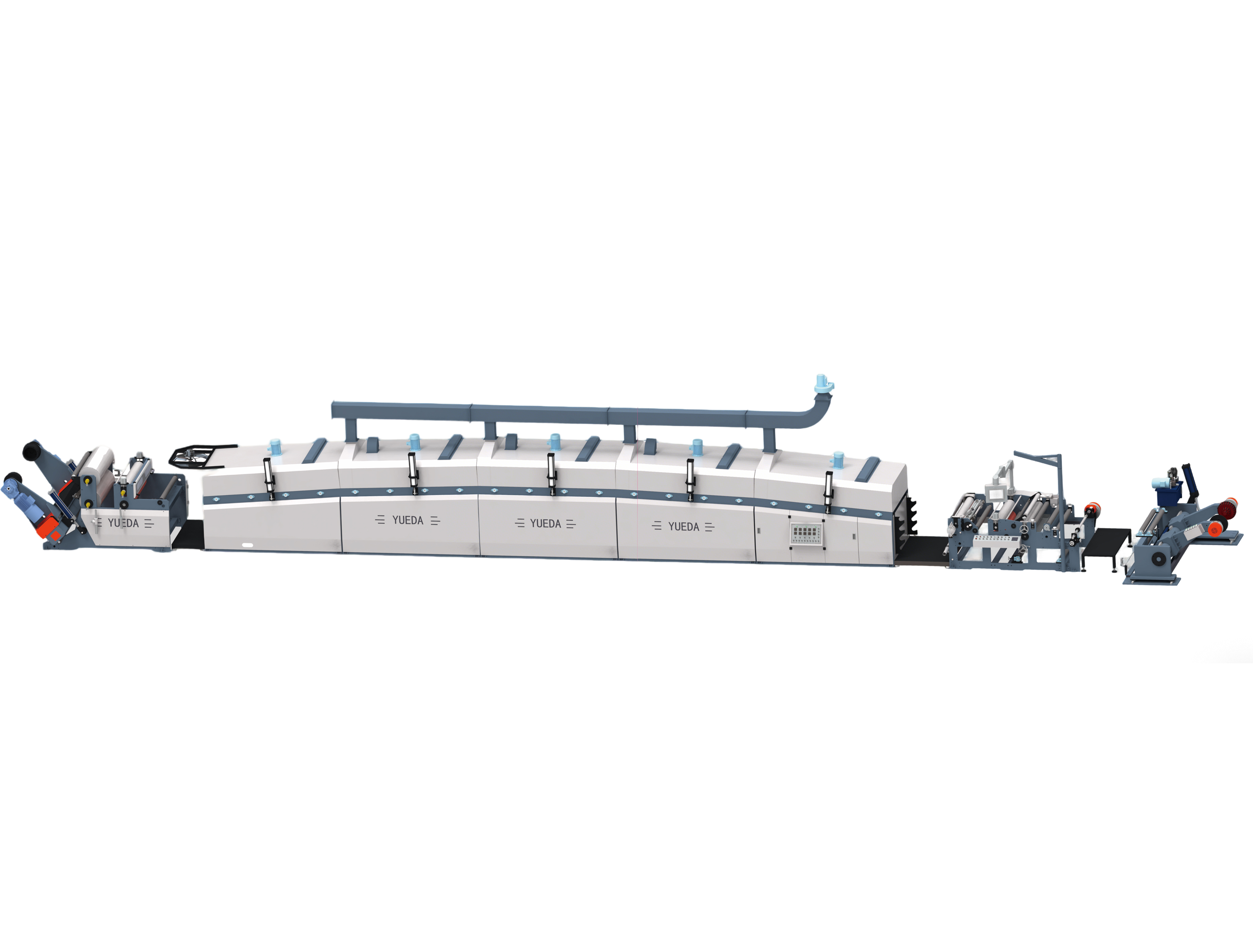
Choosing the right gold and silver card laminating machine is an important decision for businesses that produce premium cards, decorative cards, membership cards, packaging inserts, invitation cards, gift cards, and branded paper products. A well-selected laminating machine can improve surface protection, enhance visual appeal, increase production consistency, and support high-volume finishing workflows. For manufacturers, print shops, converters, and commercial finishing departments, understanding how to compare machine types, technical specifications, and operational features is essential for selecting the most suitable equipment.
This guide provides a clear, SEO-friendly overview of gold and silver card laminating machines, including definitions, working principles, key benefits, selection criteria, technical specifications, and common application scenarios. It is written as general industry information without brand or company recommendations, making it suitable for blog posts, category pages, industry pages, product education pages, and B2B content hubs.
A gold and silver card laminating machine is a finishing machine used to apply a metallic gold or silver film, laminate layer, or decorative surface treatment onto cards and paper-based materials. In many production environments, the term refers to equipment used for hot lamination, foil lamination, metallic film transfer, or decorative card finishing. These machines are designed to create a premium metallic appearance while also improving durability, scratch resistance, and moisture protection.
In practical use, a gold and silver card laminating machine may be used in different ways depending on the production process. Some machines focus on thermal lamination with gold or silver film rolls. Others support foil transfer, surface coating, or specialty lamination for high-end printed cards. Regardless of design, the core purpose remains the same: to deliver a metallic finish that enhances the value and appearance of printed materials.
In competitive print and packaging markets, appearance plays a major role in product value. Gold and silver finishes are commonly associated with luxury, quality, celebration, and premium branding. A reliable gold and silver card laminating machine helps businesses achieve a more refined final product without relying on manual finishing methods that may lead to inconsistency, higher labor cost, or slower output.
These machines are especially important in sectors where visual impact matters, such as invitation production, event stationery, premium packaging, religious or ceremonial cards, commemorative cards, and special-edition marketing materials. By using a gold and silver card laminating machine, businesses can achieve better productivity, better consistency, and more professional results.
Gold and silver card laminating machines are widely used across multiple industries. Their flexibility makes them suitable for a broad range of card and paper finishing applications.
| Application Area | Typical Use | Benefit of Gold/Silver Lamination |
|---|---|---|
| Invitation Cards | Wedding, holiday, and event invitations | Enhances elegance and visual appeal |
| Gift Cards | Retail and promotional cards | Creates a premium, high-value look |
| Membership Cards | VIP, club, and loyalty cards | Improves durability and branding |
| Packaging Inserts | Decorative inserts and product literature | Adds a luxury finish to packaging |
| Commemorative Cards | Anniversary, award, and special-edition cards | Supports premium presentation |
| Business and Brand Materials | Marketing cards, presentation materials | Strengthens brand perception |
Although machine designs vary, the working principle of a gold and silver card laminating machine is usually based on controlled pressure, temperature, and film application. The machine feeds the card or substrate through rollers or a laminating path, where a metallic film or decorative laminate is bonded to the surface. In thermal systems, heat activates the adhesive layer of the film. In pressure-based or hybrid systems, a combination of heat and pressure ensures proper bonding.
The process generally includes four main steps:
Stable temperature control, even pressure distribution, and accurate feeding are critical for high-quality results. When these factors are properly managed, the finished product has a smooth surface, strong adhesion, and a consistent metallic effect.
A gold and silver card laminating machine offers both functional and visual benefits. Businesses often invest in this type of equipment to improve product quality while increasing production efficiency.
| Benefit | Description | Business Value |
|---|---|---|
| Premium Appearance | Produces metallic gold or silver finish | Improves perceived product value |
| Surface Protection | Helps protect against scratches, moisture, and wear | Extends product durability |
| Consistency | Delivers uniform results across large batches | Reduces quality variation |
| Production Efficiency | Supports faster finishing compared with manual processes | Improves throughput |
| Brand Enhancement | Adds a luxury or special-event look | Strengthens brand image |
| Versatility | Can be used on different card sizes and paper materials | Expands application range |
When selecting a gold and silver card laminating machine, it is important to understand the different machine categories available in the market. Each type is suited to different production levels, material requirements, and finishing goals.
Manual models require more operator involvement and are typically used for low-volume production, sample creation, or small workshops. They are usually simpler to operate and may have lower upfront cost, but they offer limited speed and automation.
Semi-automatic machines combine manual feeding or setup with automated lamination functions. They are often suitable for businesses that need a balance between control, speed, and affordability. This category is common in small to medium print operations.
Fully automatic gold and silver card laminating machines are designed for higher output and continuous production. They generally include automatic feeding, alignment, lamination, and output collection. These machines are ideal for manufacturers requiring consistent performance and lower labor dependency.
Compact models are best for limited-space environments, prototype production, or niche finishing work. Although output capacity may be lower, they can still provide excellent decorative lamination for small batches.
Selecting the right gold and silver card laminating machine requires careful evaluation of production needs, material compatibility, operating costs, and technical specifications. The best machine is not always the largest or most expensive one; it is the machine that best matches your workflow and output target.
The first factor to consider is the expected production volume. If your operation handles occasional decorative cards or small batches, a manual or compact machine may be enough. For steady commercial production, however, a semi-automatic or fully automatic machine is more suitable. Production capacity should be measured in sheets per hour, cards per minute, or roll output per shift depending on the machine type.
Not all machines handle the same card thickness, substrate type, or film material. Before selecting a gold and silver card laminating machine, check whether it supports coated paper, cardstock, art paper, synthetic paper, PVC cards, or other special materials. Compatibility with metallic film thickness and adhesive type is also important.
The quality of lamination depends on temperature control, pressure consistency, feed accuracy, and film bonding strength. Look for machines that provide even heat distribution and stable pressure to avoid bubbles, wrinkles, peeling, or uneven metallic finish. High-quality lamination should create a smooth, durable, and visually consistent result.
Speed matters in commercial environments. A machine with faster processing speed can improve workflow efficiency and reduce turnaround time. However, speed should not come at the expense of quality. A good gold and silver card laminating machine should balance output speed with stable finish quality.
Ease of use is another major factor. Machines with intuitive controls, clear temperature settings, simple film loading, and easy maintenance requirements can reduce operator training time and minimize errors. User-friendly operation is especially valuable in busy production environments.
Maintenance should be considered before purchase. Machines with accessible rollers, simple cleaning procedures, replaceable components, and robust design can lower downtime and operating cost. Regular maintenance helps maintain stable film adhesion and long-term reliability.
Since many lamination machines use heating elements and motors, energy efficiency can affect long-term operating expenses. Businesses seeking lower production costs should compare machine power consumption, heating efficiency, and standby performance.
Safety is essential in any finishing operation. Important features may include overheat protection, emergency stop buttons, protective covers, automatic shutdown, and anti-jam functions. These features help reduce workplace risk and protect both operators and equipment.
When comparing gold and silver card laminating machines, technical specifications provide the most useful objective information. The following table outlines common specification categories and what they mean.
| Specification | What It Means | Why It Matters |
|---|---|---|
| Maximum Card Size | The largest material dimensions the machine can handle | Determines compatibility with your card formats |
| Material Thickness Range | The thickness of paper or cardstock supported | Affects substrate flexibility and finish quality |
| Laminating Speed | Processing speed per minute or hour | Influences productivity and throughput |
| Temperature Range | Operating heat levels available for bonding | Important for film activation and adhesion |
| Pressure Control | Ability to adjust roller or pressing force | Helps achieve smooth, even lamination |
| Power Supply | Electrical requirement such as voltage and phase | Ensures compatibility with your facility |
| Machine Dimensions | Physical size of the equipment | Important for installation and workspace planning |
| Weight | Total machine mass | Relates to stability and mobility |
| Control System | Manual, digital, or touchscreen interface | Affects precision and ease of use |
| Output Method | Tray, conveyor, or roll collection system | Affects workflow and handling efficiency |
The table below provides a general reference for common specification ranges. Actual values vary by machine type and production design, but this guide can help buyers compare models more effectively.
| Machine Category | Typical Use | Speed Range | Ideal Production Scale |
|---|---|---|---|
| Manual | Samples and very small batches | Low to moderate | Entry-level or workshop use |
| Compact Desktop | Short runs and specialty cards | Moderate | Small business production |
| Semi-Automatic | Regular card finishing jobs | Moderate to high | Small to medium commercial operations |
| Fully Automatic | Continuous production lines | High | Medium to large-scale manufacturing |
A gold and silver card laminating machine can only perform as well as the film or laminate material used with it. Film quality has a direct impact on appearance, adhesion, durability, and consistency. When evaluating film materials, consider gloss level, metallic brightness, adhesive strength, thickness uniformity, heat resistance, and compatibility with your substrate.
High-quality gold and silver film should provide:
Poor film quality may cause bubbling, color inconsistency, poor transfer, or weak bonding. For this reason, material testing is an important part of machine selection and production planning.
Before purchasing a gold and silver card laminating machine, it is necessary to prepare the installation environment. The workspace should have enough floor area, proper ventilation, safe electrical supply, and accessible material handling space. Some machines also require a stable temperature and humidity environment for best performance.
Additional installation considerations include:
Proper installation planning helps maximize machine efficiency and reduces the risk of production delays or operational issues.
To achieve the best results, operators should follow standard lamination best practices. These practices help maintain quality, improve safety, and extend machine life.
| Best Practice | Purpose | Result |
|---|---|---|
| Pre-test settings on sample materials | Confirm compatibility before full production | Reduces waste and error |
| Keep rollers and surfaces clean | Prevent contamination and defects | Improves finish quality |
| Use correct temperature and pressure | Ensure proper film bonding | Reduces peeling and bubbles |
| Monitor feeding alignment | Maintain accurate positioning | Improves consistency |
| Schedule regular maintenance | Keep the machine in optimal condition | Reduces downtime |
| Train operators properly | Prevent mistakes and unsafe use | Supports stable output |
Even a well-designed gold and silver card laminating machine can experience performance issues if settings, materials, or maintenance are not properly managed. Common issues include poor adhesion, film wrinkling, uneven metallic coverage, overheating, and roller marks.
Typical causes and prevention methods include:
A gold and silver card laminating machine is suitable for many business types, especially those that need decorative finishing, premium presentation, or durable card products. Common buyers include print shops, commercial finishers, packaging manufacturers, stationery producers, promotional product suppliers, and custom card businesses.
It is also useful for businesses producing limited-edition products, seasonal event materials, or luxury branding materials. For some organizations, the machine is purchased to expand service offerings. For others, it is used to improve in-house production control and reduce outsourcing costs.
The following checklist can help buyers evaluate a gold and silver card laminating machine more effectively before making a purchase decision.
| Checklist Item | Questions to Ask |
|---|---|
| Production Needs | What volume do you need to finish per day or week? |
| Material Range | What card sizes and thicknesses must be supported? |
| Finish Quality | Do you need standard metallic effects or premium high-gloss output? |
| Automation Level | Do you prefer manual, semi-automatic, or fully automatic operation? |
| Floor Space | Is there enough room for safe operation and material handling? |
| Power Requirements | Does your facility support the machine’s electrical needs? |
| Maintenance Access | Can the machine be cleaned and serviced easily? |
| Total Cost of Ownership | How do purchase price, consumables, energy, and maintenance compare? |
For search visibility, this topic is commonly associated with the following keywords and variations:
Using these keywords naturally throughout an article, category page, or product education page can help improve relevance for search engines. However, keyword usage should remain readable and helpful for human visitors. Search engines reward clear structure, useful content, and strong topical coverage.
Yes. Smaller businesses can benefit from compact or semi-automatic models if they need decorative card finishing without investing in a large production line.
In many cases, yes. Many machines can work with both gold and silver films, provided the machine and film materials are compatible.
Yes. Lamination can help protect cards from moisture, scratches, and general surface wear, improving product lifespan.
Manual machines require more operator involvement, while automatic machines are designed to reduce labor and increase consistency and output speed.
A gold and silver card laminating machine is a valuable piece of finishing equipment for businesses that want to produce premium, durable, and visually striking card products. By understanding the available machine types, technical specifications, film compatibility, production requirements, and operational best practices, buyers can make a more informed decision and select a machine that supports both current needs and future growth.
Whether the goal is to improve brand presentation, enhance product protection, or increase finishing efficiency, the right gold and silver card laminating machine can play a major role in delivering professional results. Careful evaluation of speed, quality, materials, automation, and maintenance will help ensure a better long-term investment for any card finishing operation.
```
Contact: Peter Chen/Jack Chen
Mail : peterchen@yuedamachine.com
Cellphone: +86 18767458866/ +86 19857780001
Address: Building 2, No. 1333 Times Avenue, Longgang City,Wenzhou City, Zhejiang Province China
Copyright © 2026 Wenzhou Yueda Packaging Machinery Co., Ltd. All Rights Reserved.
SitemapThis website uses cookies to ensure you get the best experience on our website.
 Español
 Portugues
 Indonesia
 Tiếng Việt



 Phone
 E-mail
Comment
(0)